In this article8
- 01Why You're Suddenly Getting a Medicare Bill
- 02What a CMS-500 Bill Actually Means
- 03Why This Is Happening More Often Right Now
- 04What You Should Do Next
- 05When This Can Turn Into a Bigger Problem
- 06How This Affects Medicare Advantage and Other Plans
- 07How to Avoid This Going Forward
- 08Why This Feels So Confusing
📋Quick Summary
- If you received a CMS-500 bill from Medicare, it usually means your premiums were not automatically deducted — often because you are not currently receiving Social Security benefits.
- While this can feel unexpected, it's a common situation during enrollment transitions.
- The key is understanding why it happened and making sure it gets paid to avoid any disruption in coverage.
Why You're Suddenly Getting a Medicare Bill
If this caught you off guard, that's completely normal. Most people assume Medicare premiums are automatically deducted, especially if they've heard that "Medicare comes out of Social Security." But that only applies if your Social Security benefits are already active.
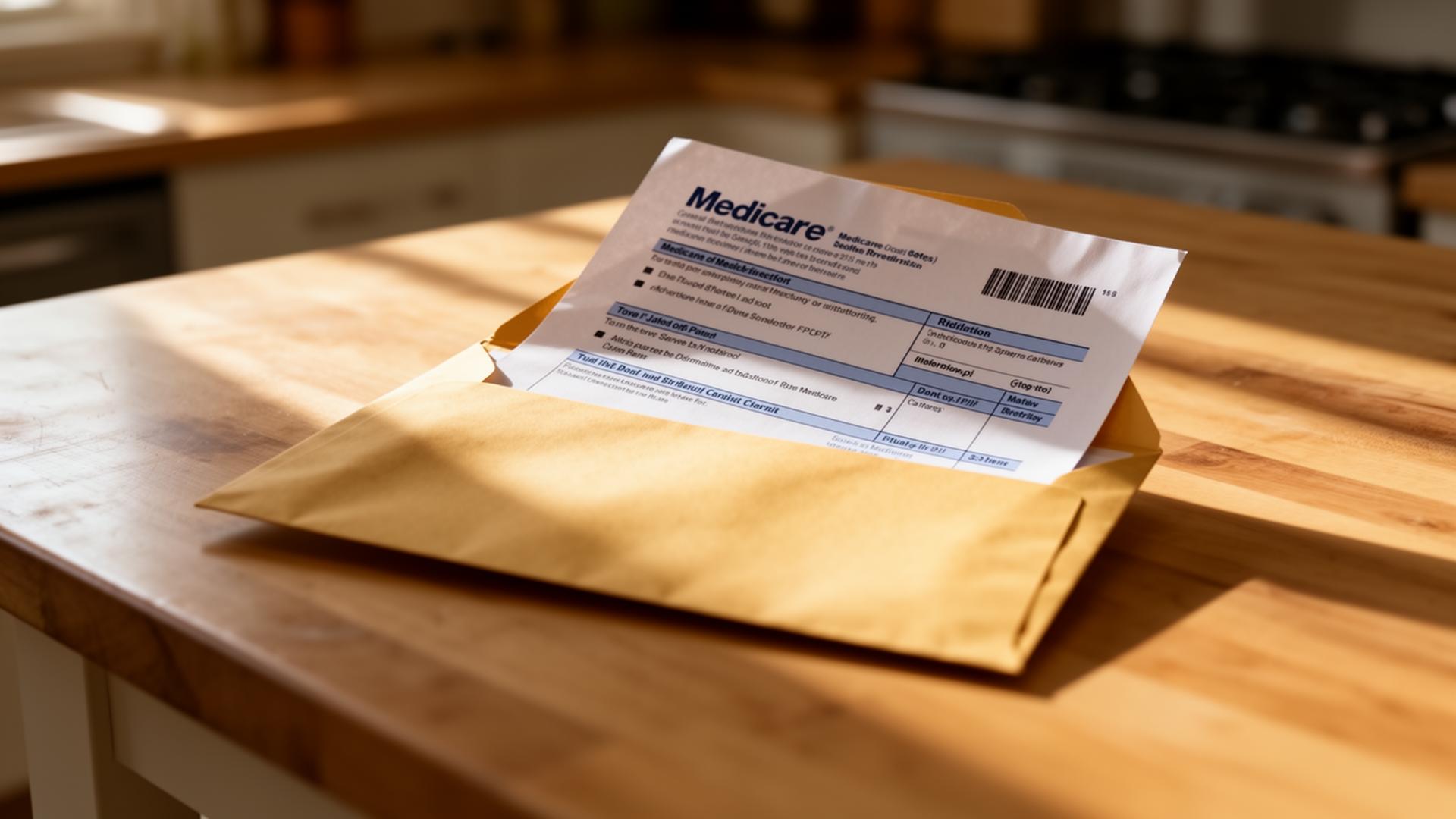
A CMS-500 bill is Medicare's way of saying: they couldn't collect your premium automatically — so now they're billing you directly. This is most commonly tied to timing. Your Medicare coverage may have started, but your Social Security payments haven't.
What a CMS-500 Bill Actually Means
A CMS-500 is not a penalty or a mistake. It's a standard Medicare premium bill. In most cases, it includes:
- Part B premiums
- Part A premiums (if you don't qualify for premium-free Part A)
- Occasionally other adjustments depending on your enrollment timing
The important distinction is this: if you're not receiving Social Security, Medicare cannot automatically deduct your premiums. So instead, they send a bill — typically covering a three-month period at a time.
Understanding how premiums are structured overall ties directly into why CMS-500 bills happen during enrollment transitions.
How Medicare costs are organized in 2026 →Related Medicare Updates
Why This Is Happening More Often Right Now
This situation is becoming more common, especially as more people delay Social Security. In 2026, many new enrollees are choosing to start Medicare at 65 while delaying Social Security to increase future benefits. That gap creates a billing window where Medicare has no automatic payment method in place.
It can also happen if your Social Security benefits haven't started yet, there was a delay in processing, or you recently made a coverage change. None of these mean something is wrong — but they do require attention.
What You Should Do Next
This is the part that matters most. If you received a CMS-500 bill, the next step is simple but important: make sure it gets paid on time.
Start by reviewing the bill carefully:
- Confirm your name and Medicare number
- Check the billing period
- Verify the premium amount
Then choose a payment method. Medicare allows you to pay online through your Medicare account, mail a check or money order, or set up automatic payments through Medicare Easy Pay. If you plan to stay off Social Security for a while, setting up automatic payments can prevent this from becoming a recurring issue.
Ignoring the bill can lead to something much more serious — coverage cancellation.
When This Can Turn Into a Bigger Problem
Most people don't realize how quickly this can escalate. If a CMS-500 bill goes unpaid, Medicare may send a delinquency notice, coverage can eventually be terminated, and re-enrollment may come with penalties or delays.
This is why even though the bill feels unexpected, it's not something to put off. If anything about the bill doesn't look right, it's worth contacting Medicare directly before making a payment.
How This Affects Medicare Advantage and Other Plans
Even if you're enrolled in a Medicare Advantage plan, this billing issue can still apply. That's because your Part B premium is still tied to Medicare, not your Advantage plan. So even if your plan feels "all-in-one," premium billing still depends on your Social Security status and Medicare's payment system.
Understanding how these pieces connect is a key part of navigating Medicare Advantage coverage overall.
How Medicare Advantage coverage works →How to Avoid This Going Forward
Once you understand why the CMS-500 bill happened, it becomes much easier to prevent it. The simplest ways to avoid future issues are:
- Start Social Security benefits (if that aligns with your strategy)
- Set up Medicare Easy Pay for automatic withdrawals
- Monitor your Medicare account for billing updates
The goal is to make sure Medicare always has a clear way to collect your premium.
Why This Feels So Confusing
This situation catches people off guard because Medicare doesn't always explain the transition clearly. From your perspective, it feels like: "I signed up… so why am I suddenly being billed?" But behind the scenes, Medicare and Social Security are separate systems — and unless they're connected through active benefits, billing defaults to manual.
That gap is where most confusion happens.
✅What This Means for You
- A CMS-500 Medicare bill usually means your premiums aren't being automatically deducted — most often because Social Security benefits haven't started yet.
- While it can feel unexpected, it's a routine part of how Medicare handles billing during certain transitions.
- The most important step is to pay the bill on time and set up a reliable payment method to avoid any disruption in coverage.