In this article5
In just the past week, the Centers for Medicare & Medicaid Services (CMS) released two far-reaching policy updates that will significantly influence how older Americans access and pay for healthcare over the next two years. One is a proposed rule for Medicare Advantage (MA) and Part D plans beginning in contract year 2027 — a package aimed at raising quality standards and tightening oversight. The other is the finalized 2026 Hospital Outpatient Prospective Payment System (OPPS) and Ambulatory Surgical Center (ASC) rule, which adjusts payments for outpatient services, expands transparency requirements, and pushes forward with the Biden administration's site-neutral reforms.
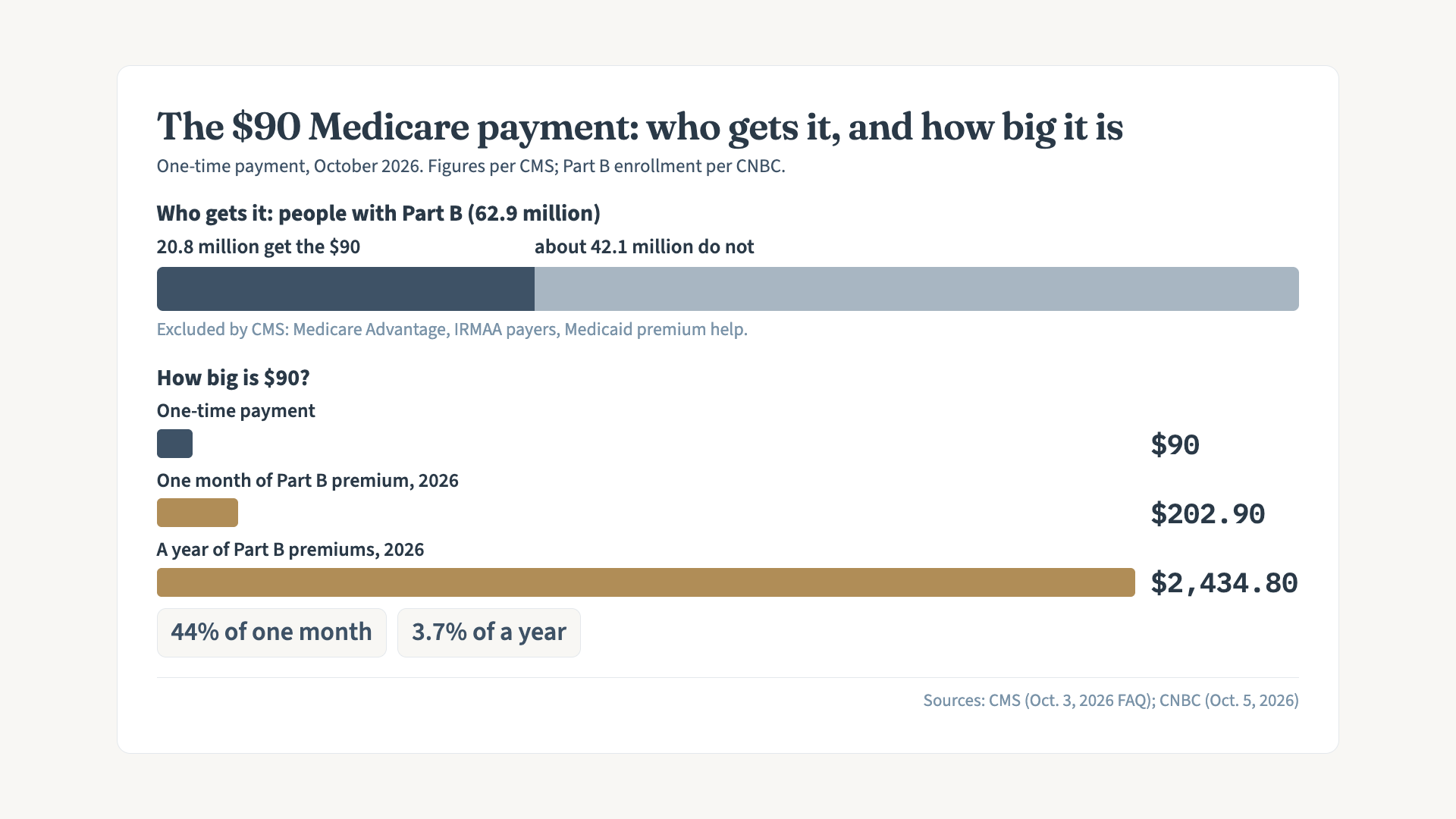
Together, these updates come at a time when seniors are already bracing for higher 2026 premiums and cost-sharing, including a recently confirmed 10% increase in the Medicare Part B premium (according to MarketWatch, which reported the jump would wipe out nearly a third of next year's Social Security COLA).
Below is a breakdown of the most important changes — and what you need to do now to prepare.
1. CMS Proposes New Standards for MA & Part D Plans in 2027
CMS's newly released Contract Year 2027 Medicare Advantage and Part D Proposed Rule marks one of the most significant updates to plan oversight since the introduction of Star Ratings more than a decade ago. CMS says its goal is to "strengthen quality, access, and competition" in a market where nearly 33 million beneficiaries are enrolled in MA plans and more than 50 million get drug coverage through Part D.
Star Ratings Overhaul
The proposal includes updated calculation methods for Star Ratings — the 1-to-5 scale used to measure quality for Medicare Advantage and Part D plans. CMS argues that current scoring systems don't always reflect meaningful differences in plan performance, and they want clearer separation between high-quality and lower-quality plans.
If these changes are finalized, seniors may see more spread in Star Ratings, potentially making it easier to identify plans with stronger performance in areas like member experience, medication safety, chronic disease management, and preventive care.
New Rules for Behavioral Health Access
The 2027 proposal would require plans to expand their behavioral-health networks, including psychologists, licensed clinical social workers, and substance-use-disorder providers. CMS acknowledges a persistent gap in mental-health access among MA beneficiaries, especially in rural and underserved regions.
For older adults — many of whom struggle with loneliness, depression, or anxiety — this could mark a significant improvement.
Stronger Oversight of Supplemental Benefits
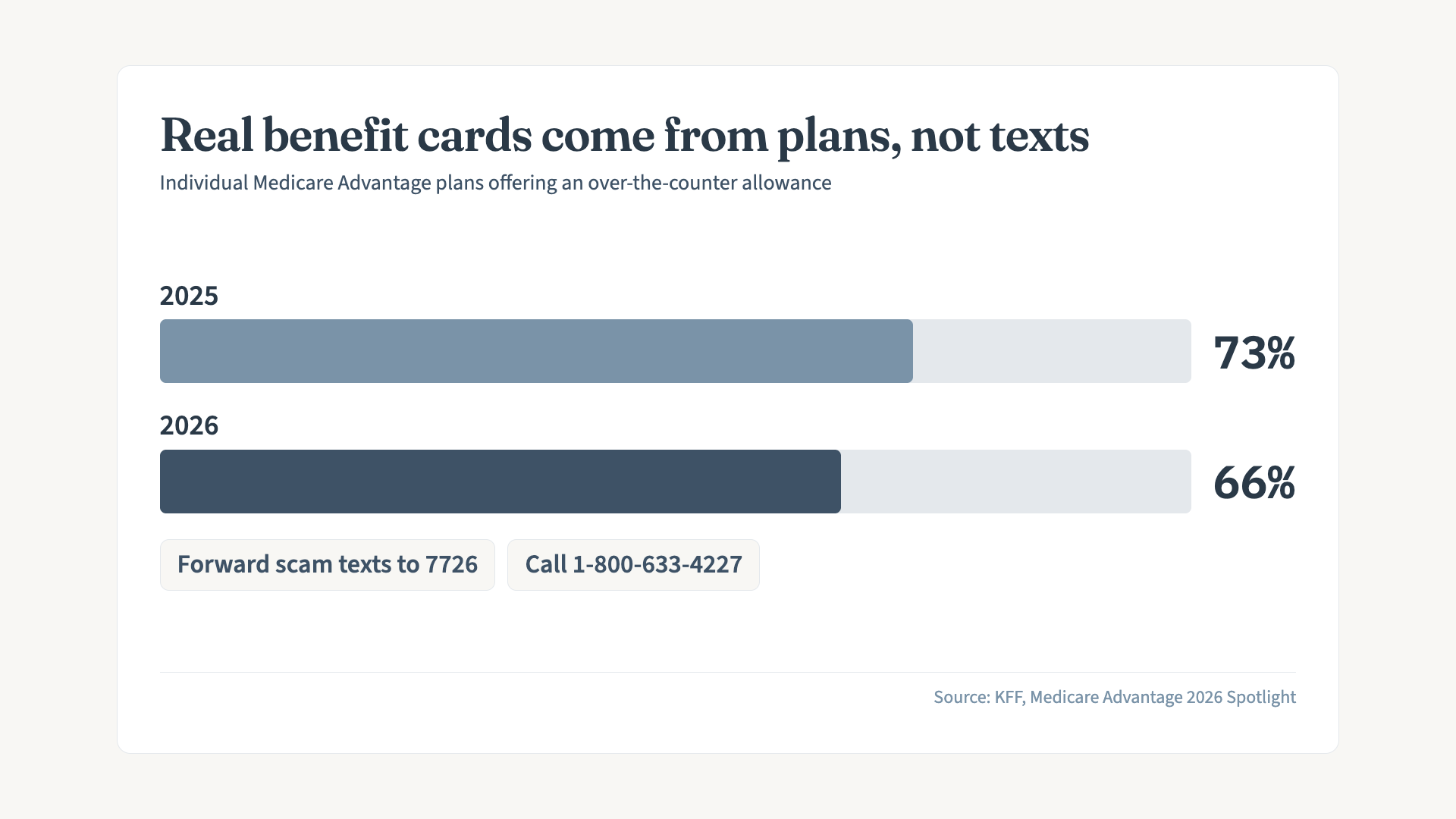
MA plans frequently market supplemental benefits like dental, vision, transportation, meal support, and allowances for over-the-counter items. While these benefits are popular, the oversight has been uneven. CMS is proposing new reporting requirements to ensure plans actually deliver what they advertise and don't overpromise benefits that fewer than 1% of members use.
Greater Transparency for Prior Authorization
Prior authorization continues to be one of the most controversial features of Medicare Advantage plans. Under the new proposal, plans would need to provide clearer justifications for denials, maintain continuity of care for transitioning patients, and streamline renewals for members with chronic conditions.
CMS has received thousands of complaints from beneficiaries and providers in the last two years alone. The new rule attempts to reduce friction and improve predictability for seniors who rely on specialty care.
2. Outpatient & Surgical Center Payments Are Changing in 2026
In a separate update, CMS finalized the 2026 OPPS and ASC rules, which govern how hospitals and ambulatory surgical centers are paid for outpatient procedures. These rules take effect January 1, 2026.
Site-Neutral Payments Move Forward
One of the most consequential components is the continued transition toward site-neutral payments. This means that certain services — especially drug administration and outpatient hospital services — will be reimbursed similarly whether performed in a hospital outpatient department or in a physician's office.
CMS argues this will reduce overall Medicare spending and minimize incentives for hospitals to acquire physician practices purely for payment advantages. However, critics worry this could create financial strain on smaller hospitals or limit where patients can receive care.
Reimbursement Reductions for Off-Campus Hospital Clinics
Off-campus hospital outpatient departments (HOPDs) will see reductions in reimbursement for several drug-administration services beginning in 2026. These include chemotherapy, infusions, and many chronic-condition treatments.
For seniors who rely on these facilities — especially cancer patients — these payment changes could influence where they receive care. Some services may shift from hospital settings to physician offices. CMS insists beneficiaries should not see increased out-of-pocket costs, but real-world experiences will depend on provider decisions and network arrangements.
New Requirements for Price Transparency
CMS is increasing penalties for hospitals that fail to meet price-transparency standards. Hospitals will be required to maintain more consistent machine-readable files showing standard charges and negotiated rates.
For seniors — and their caregivers — this change could simplify price comparisons for outpatient surgeries and imaging.
Related Medicare Updates
3. Rising Costs in 2026 Make These Rule Changes Even More Significant
The timing of these policy updates is important. Seniors are already preparing for higher 2026 out-of-pocket costs, including:
- A 10% increase in the Part B premium
- A higher Part B deductible
- Larger inpatient and skilled nursing facility coinsurance thresholds
You can explore all of these changes on our Medicare 2026 Roadmap, where we detail the year-over-year increases and how they affect typical medical budgets.
Higher costs tend to push beneficiaries to re-evaluate their plan choices, reconsider supplemental coverage, or review whether income-related premium adjustments (IRMAA) may apply. If income exceeded thresholds in 2024 or 2025, seniors should also review our IRMAA Guide to understand appeal options and planning strategies.
💡What This Means for You
Explore Further
4. How These New Rules Could Affect Seniors Directly
Better Information, Clearer Plan Quality
The overhaul of Star Ratings may help seniors better understand which plans deliver high-quality care — something increasingly important as MA enrollment grows.
More Competition in Part D
With more stringent oversight of pharmacy networks and benefit designs, CMS hopes to make drug coverage both more predictable and more transparent.
Potential Shifts in Outpatient Care
Site-neutral payments and reduced reimbursement for off-campus clinics may affect where seniors receive their outpatient treatments. While CMS says the goal is to reduce costs without reducing access, beneficiaries should monitor any changes in their providers' locations or billing practices.
Mental Health Access Improvements
The expanded behavioral-health requirements could increase availability for therapy and mental-health services — an area many seniors have struggled to access.
5. What Seniors Should Do Now
- ✓Review your current plan — especially MA and Part D. Members should use the 2026–2027 period to assess their benefits, costs, and care networks.
- ✓Watch for updated Star Ratings — If CMS finalizes the Star Ratings reforms, plans could shift meaningfully in quality.
- ✓Check where your outpatient care is delivered — For those undergoing infusion therapy, joint injections, chemotherapy, or imaging, it's wise to confirm whether your provider plans any location or billing adjustments in 2026.
- ✓Re-evaluate your budget for 2026 — Higher premiums and cost-sharing mean seniors should anticipate more out-of-pocket spending — especially if on fixed income.
- ✓Consider whether IRMAA applies — For many retirees, IRMAA surcharges may kick in unexpectedly. Our IRMAA Guide has a section on filing a Life-Changing Event appeal if income has dropped.
Final Thoughts
These newly announced Medicare changes reflect a system undergoing significant recalibration. CMS is attempting to balance quality, competition, affordability, and long-term sustainability — all while Medicare Advantage enrollment surges and outpatient care continues shifting toward lower-cost settings.
For seniors, the message is simple: the landscape is changing quickly, and staying informed is the best way to avoid surprises in 2026 and 2027.