In this article7
With Open Enrollment approaching and the landscape of Medicare shifting significantly for 2026, many beneficiaries and their families are wondering: "What will I pay? What will I get? And how can I prepare?" This article walks through the latest numbers, plan changes, cost caps, and provider-network shifts — offering clear insight and actionable advice.
Planning for next year? See what's changing for Medicare in 2027.
Big Picture — Why Medicare Is Changing in 2026
Medical Inflation, Drug-Cost Pressures & Legislative Backdrop
Every fall, Medicare undergoes adjustments reflecting shifts in healthcare costs and policy. For 2026, those changes are being shaped by rising medical inflation, continued demand for prescription drugs, and the lingering financial effects of pandemic-era spending.
Healthcare inflation has climbed steadily over the past year, with medical costs expected to rise by nearly 6% into 2026 according to Mercer Advisors' 2025 Cost Trend report. Hospitals and provider groups are pushing for higher reimbursement rates to offset labor shortages, drug prices, and new technology costs.
Role of the Inflation Reduction Act and Regulatory Shifts
At the same time, the Inflation Reduction Act (IRA) continues to reshape how Medicare handles drug pricing. For 2026, Medicare will begin enforcing the first round of negotiated drug prices for 10 high-cost medications — including treatments for diabetes and heart disease — as confirmed by the Centers for Medicare & Medicaid Services (CMS).
These negotiations are expected to lower out-of-pocket costs for millions of seniors, but they also have ripple effects: insurers are recalculating plan premiums and benefits to accommodate changing revenue structures. Combined with tighter oversight from regulators, 2026 marks a transition year toward a more cost-controlled Medicare system.
Premiums & Out-of-Pocket Costs to Watch
Projected Standard Part B Premium and Deductible Jump
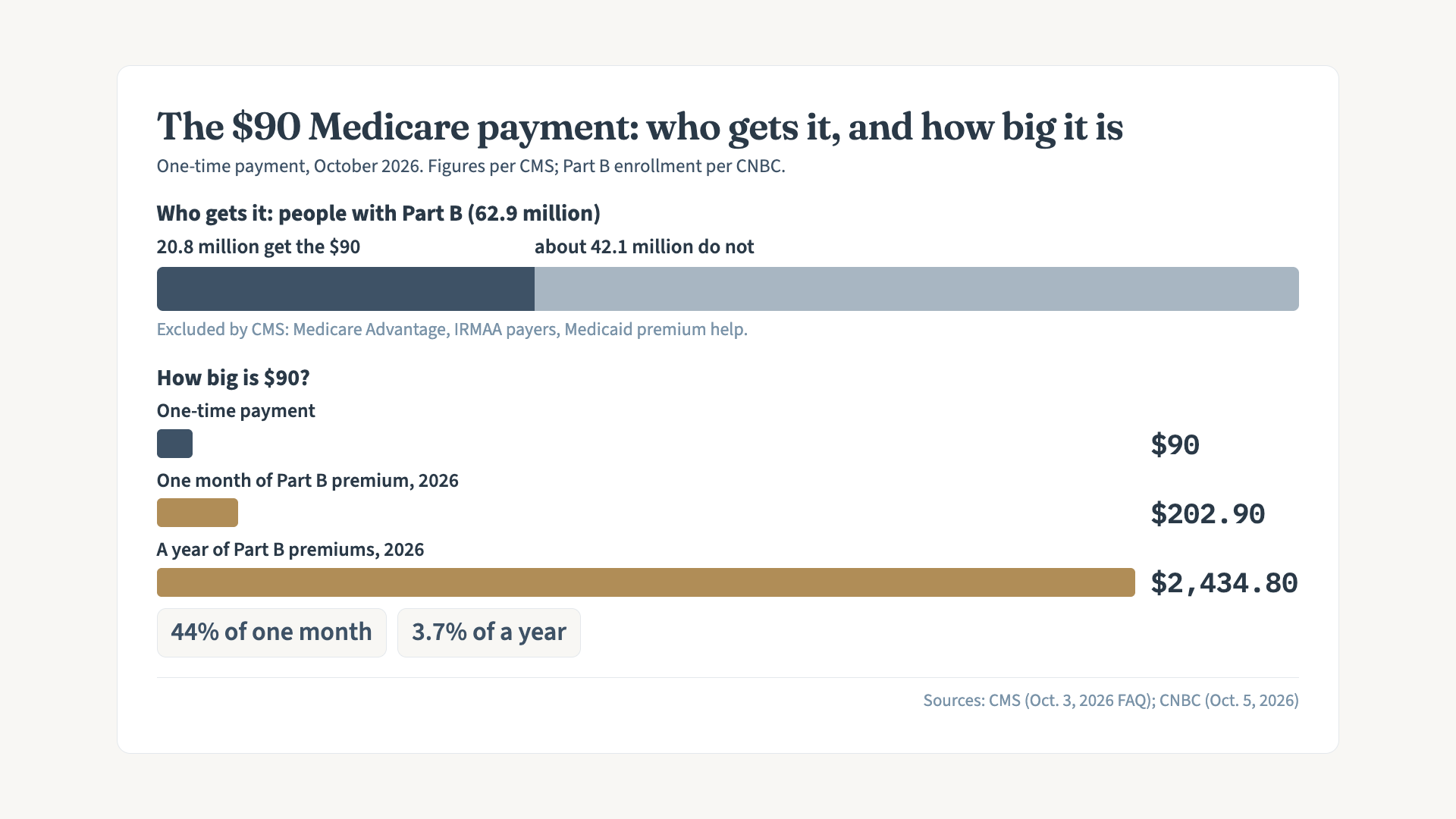
The standard Medicare Part B premium is projected to increase from roughly $185 in 2025 to about $206.50 in 2026, according to estimates from Kiplinger and Mercer Advisors. CMS has since finalized the 2026 standard Part B premium at $202.90.
That means most beneficiaries will pay an additional $20 or more per month. The annual Part B deductible is also expected to rise from $254 in 2025 to about $270 in 2026. These increases reflect higher physician service costs and the reinstatement of standard premium adjustments after temporary freezes during the pandemic.
IRMAA (Income-Related Monthly Adjustment) Brackets: What They Mean
For higher-income beneficiaries, IRMAA surcharges will continue to play a major role in budgeting. Individuals earning above $109,000 (or couples above $218,000) may see surcharges applied to both Part B and Part D premiums.
According to projections from Kiplinger and Medicare.gov, the IRMAA brackets will adjust upward slightly in 2026, meaning some retirees may avoid moving into higher surcharge tiers simply due to inflation indexing. For a detailed table of bracket thresholds and examples, see our full IRMAA Brackets & Projections guide.
Prescription Drug (Part D) Out-of-Pocket Cap & Premium Trends
Perhaps the biggest news for 2026: for the first time, beneficiaries with Part D coverage will see their annual out-of-pocket spending capped at $2,100, per CMS. This historic change, mandated under the Inflation Reduction Act, represents a major win for seniors managing chronic conditions.
While the average Part D monthly premium is expected to increase slightly to around $36 per month, the new $2,100 ceiling means no beneficiary will pay above that amount for covered drugs. The Kaiser Family Foundation (KFF) confirms the change could save some enrollees thousands annually.
Related Medicare Updates
Plan Options & Market Landscape
Number of Available Advantage & Part D Plans in 2026
According to MedicareResources.org, the number of Medicare Advantage (MA) plans is expected to decline slightly — from 5,633 in 2025 to around 5,600 in 2026. Although the decrease seems modest, it reflects consolidation among insurers and a pullback from smaller regional plans struggling with compliance and cost controls.
Similarly, the number of stand-alone Part D drug plans will drop for a third consecutive year, signaling a trend toward bundled Advantage plans that include prescription coverage.
Major Insurers Pulling Back or Shifting Offerings — What to Know
Some insurers, including Cigna and Bright Health, are restructuring or scaling down their Medicare offerings in certain regions, citing profitability and regulatory pressures (Newsweek). However, large national carriers such as UnitedHealthcare, Humana, and Aetna continue to expand in high-growth markets, particularly where supplemental benefits (like dental, vision, and fitness programs) drive enrollment.
CMS officials emphasize that despite these adjustments, beneficiaries in most counties will still have dozens of MA plan options. Average Medicare Advantage premiums are projected to decline from $16.40 in 2025 to about $14 in 2026, marking the sixth consecutive year of historically low premiums (CMS.gov).
Benefit & Coverage Changes
New Cost Caps & Expanded Care Benefits
Beyond premium adjustments, 2026 introduces a series of benefit updates designed to improve affordability and preventive care access. The new $2,100 Part D spending cap will be accompanied by a monthly payment option, allowing beneficiaries to spread drug costs over the year instead of facing large one-time bills.
Additionally, CMS has authorized pilot expansions for advanced primary care management under certain Medicare Advantage plans, promoting better coordination for chronic disease management and home-based care.
What Stays the Same (and What May Feel Like a "Re-tweak")
Core Medicare benefits — hospital (Part A) and physician (Part B) coverage — remain intact, with inpatient cost-sharing and coinsurance only seeing modest inflation-linked increases. Preventive services such as annual wellness visits and screenings continue to be covered at 100%.
What may feel new for many enrollees is how insurers present supplemental benefits. Expect more targeted wellness incentives, tech-based monitoring programs, and localized networks — adjustments designed to keep premiums low under tighter federal oversight.
What This Means for You — Action Steps
How to Compare Your Current Plan vs. 2026 Options
Even small shifts in provider networks or formularies can significantly affect total yearly costs. Before open enrollment begins, use the official Medicare Plan Finder or our Medicare Plan Comparison Tool to compare your existing coverage with projected 2026 offerings.
Check whether your preferred doctors and prescriptions remain in-network, and pay attention to maximum out-of-pocket (MOOP) limits — especially if you have ongoing treatments or multiple specialists.
Timing: Open Enrollment Windows & Deadlines
The Medicare Open Enrollment Period for 2026 coverage runs October 15 – December 7, 2025, according to CMS. Changes made during this window take effect on January 1, 2026.
Beneficiaries enrolled in Medicare Advantage can also switch plans or revert to Original Medicare during the Medicare Advantage Open Enrollment Period (MA-OEP), which runs January 1 – March 31, 2026.
Tips for Higher-Income Beneficiaries or Those Facing Network Changes
If your income fluctuated in 2024–2025, consider submitting a Request for Reconsideration to lower your IRMAA surcharge for 2026. Major life events like retirement, marriage, or income loss can reduce your premium category.
If your provider is leaving your plan's network, contact the insurer or visit our Medicare 101 Hub to learn your transition options. Switching during open enrollment can prevent unexpected out-of-network costs next year.
💡What This Means for You
Explore Further
Looking Ahead: Where Medicare Could Go Beyond 2026
Longer-Term Trends: Premiums, Plan Consolidation & Drug Negotiation
Experts anticipate continued plan consolidation through 2027 as insurers adapt to tighter profit margins and negotiated drug pricing. CMS has hinted that additional drug price negotiation rounds will expand beyond the initial 10 drugs in 2026, potentially encompassing up to 60 medications by 2030 (KFF).
Meanwhile, demographic shifts — with nearly 11,000 Americans turning 65 each day — will keep overall enrollment and total Medicare spending climbing. Long-term projections suggest standard Part B premiums could exceed $250 by 2030 if inflation and medical costs continue their trajectory.
Why Staying Informed Matters
Medicare's annual rule changes can feel overwhelming, but staying proactive is key. Review plan notices, compare coverage yearly, and take advantage of free counseling from State Health Insurance Assistance Programs (SHIPs).
As Medicare evolves under the combined influence of policy reform and market economics, being an informed participant — not just a passive enrollee — remains your strongest defense against rising costs and surprise bills.
Frequently Asked Questions
Sources
- Centers for Medicare & Medicaid Services (CMS): 2026 Medicare Advantage and Part D projections
- Kaiser Family Foundation: Medicare program analysis and cost trends
- Kiplinger: Medicare coverage and cost reporting
- Medicare.gov: Official Medicare Plan Finder and benefit information
- MedicareResources.org: Plan landscape analysis