In this article7
For years, Medicare Advantage plans sold themselves on a simple promise: more benefits for less money.
Dental coverage. Vision exams. Hearing aids. Transportation to appointments. Even over-the-counter (OTC) cards for everyday health needs.
These "extra benefits" became one of the biggest reasons seniors chose Medicare Advantage over Original Medicare.
But as 2026 unfolds, many beneficiaries are discovering something unexpected — those extras are quietly shrinking.
📉 What's Actually Changing in 2026
Medicare Advantage plans still advertise extra benefits, but the structure of those benefits is changing in subtle — and sometimes frustrating — ways.
- Lower dollar limits for dental, vision, and hearing
- OTC allowances restricted to fewer product categories
- Transportation benefits capped or limited to medical-only trips
- Fewer providers accepting plan-based dental or vision coverage
- More rules around when and how benefits can be used
On paper, the benefits still exist. In practice, they may not go as far as beneficiaries expect.
🧠 Why Insurers Are Pulling Back
The shrinking of extra benefits isn't random. It's happening as insurers face increasing financial pressure.
Several forces are converging:
- Higher medical utilization among older enrollees
- Lower reimbursement growth from CMS
- Stricter oversight of how extra benefits are funded
- Rising costs for dental, hearing, and transportation services
When insurers have to choose between core medical coverage and supplemental perks, the perks usually lose.
Related Medicare Updates
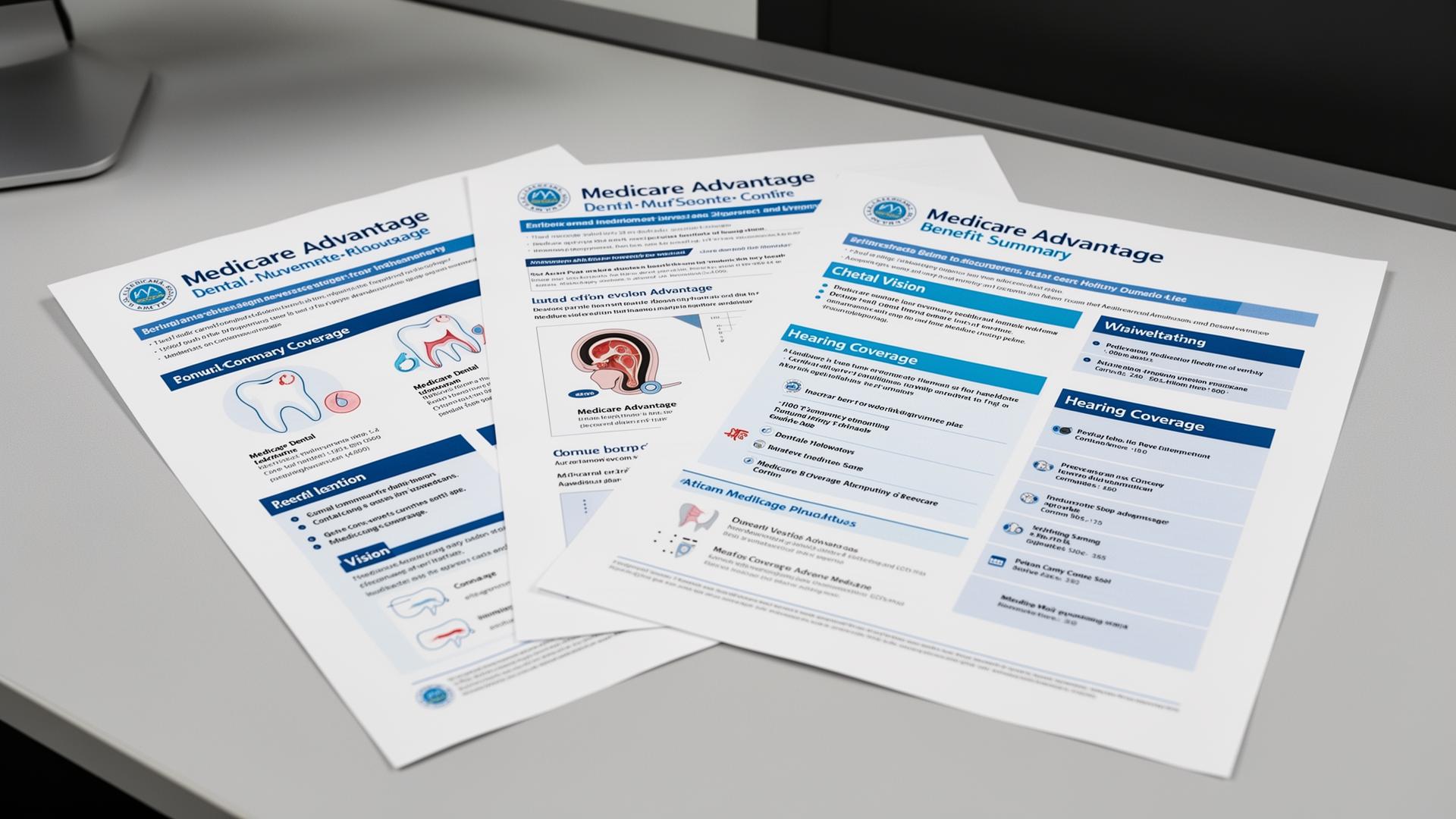
🦷 Dental, Vision, and Hearing: Smaller Than They Look
Dental coverage is one of the most misunderstood Medicare Advantage benefits.
Many plans now:
- Limit dental coverage to preventive care only
- Cap annual spending at lower amounts
- Restrict coverage to narrow provider networks
The same trend applies to vision and hearing. Coverage may exist — but accessing it can be harder, especially if providers opt out of low-reimbursement plan networks.
🛒 The OTC Card Reality
OTC cards sound simple: a set amount each month or quarter to spend on health items.
In 2026, many beneficiaries are finding:
- Fewer eligible items
- Brand restrictions
- Online-only purchasing requirements
- Unused balances that expire
The benefit still exists — but it's far less flexible than many expect.
🚗 Transportation and Support Benefits
Transportation benefits are also tightening.
Many plans now limit:
- The number of rides per year
- Eligible destinations
- Advance scheduling requirements
Non-medical trips — once quietly allowed — are increasingly excluded.
⚖️ Medicare Advantage vs. Original Medicare
Original Medicare doesn't offer these extra benefits — but it also doesn't reduce or restructure them unexpectedly.
For some beneficiaries, the tradeoff is becoming clearer:
- Medicare Advantage offers extras, but with rules and volatility
- Original Medicare offers stability, but fewer perks
As extra benefits shrink, some seniors are rethinking whether the tradeoff still makes sense.
✅What This Means for You
Extra benefits helped make Medicare Advantage popular — but they were never guaranteed.
As costs rise and rules tighten, those benefits are becoming leaner, more restricted, and less predictable.
The key for beneficiaries in 2026 is clarity: understand what's truly covered, what's capped, and what might disappear mid-year.
Because when it comes to Medicare, the fine print matters more than the headline.
Explore Further
🌅 Final Thoughts
Extra benefits helped make Medicare Advantage popular — but they were never guaranteed.
As costs rise and rules tighten, those benefits are becoming leaner, more restricted, and less predictable.
The key for beneficiaries in 2026 is clarity: understand what's truly covered, what's capped, and what might disappear mid-year.
Because when it comes to Medicare, the fine print matters more than the headline.