In this article6
As tax season ramps up, federal agencies are issuing renewed warnings to Medicare beneficiaries: scam attempts are rising — and many are becoming harder to spot.
Each year, scammers take advantage of confusion around taxes, healthcare, and government programs. In 2026, Medicare beneficiaries are once again a primary target, especially through phone calls, emails, and text messages that appear urgent or official.
The tactics aren't new — but the timing is deliberate.
📈 Why Medicare Scams Spike During Tax Season
Tax season creates a perfect environment for Medicare-related scams.
Beneficiaries are already dealing with:
- IRS notices and tax documents
- Income questions related to retirement withdrawals
- Medicare premium adjustments and cost changes
- Increased government correspondence
Scammers exploit this overload by posing as Medicare, Social Security, or tax-related agencies — counting on urgency and confusion to bypass skepticism.
Medicare will never call, text, or email you asking for your Medicare number, Social Security number, or banking information.
☎️ The Most Common Medicare Scams Right Now
While schemes evolve, several patterns are appearing frequently this season:
- Calls claiming Medicare benefits will be suspended unless information is verified
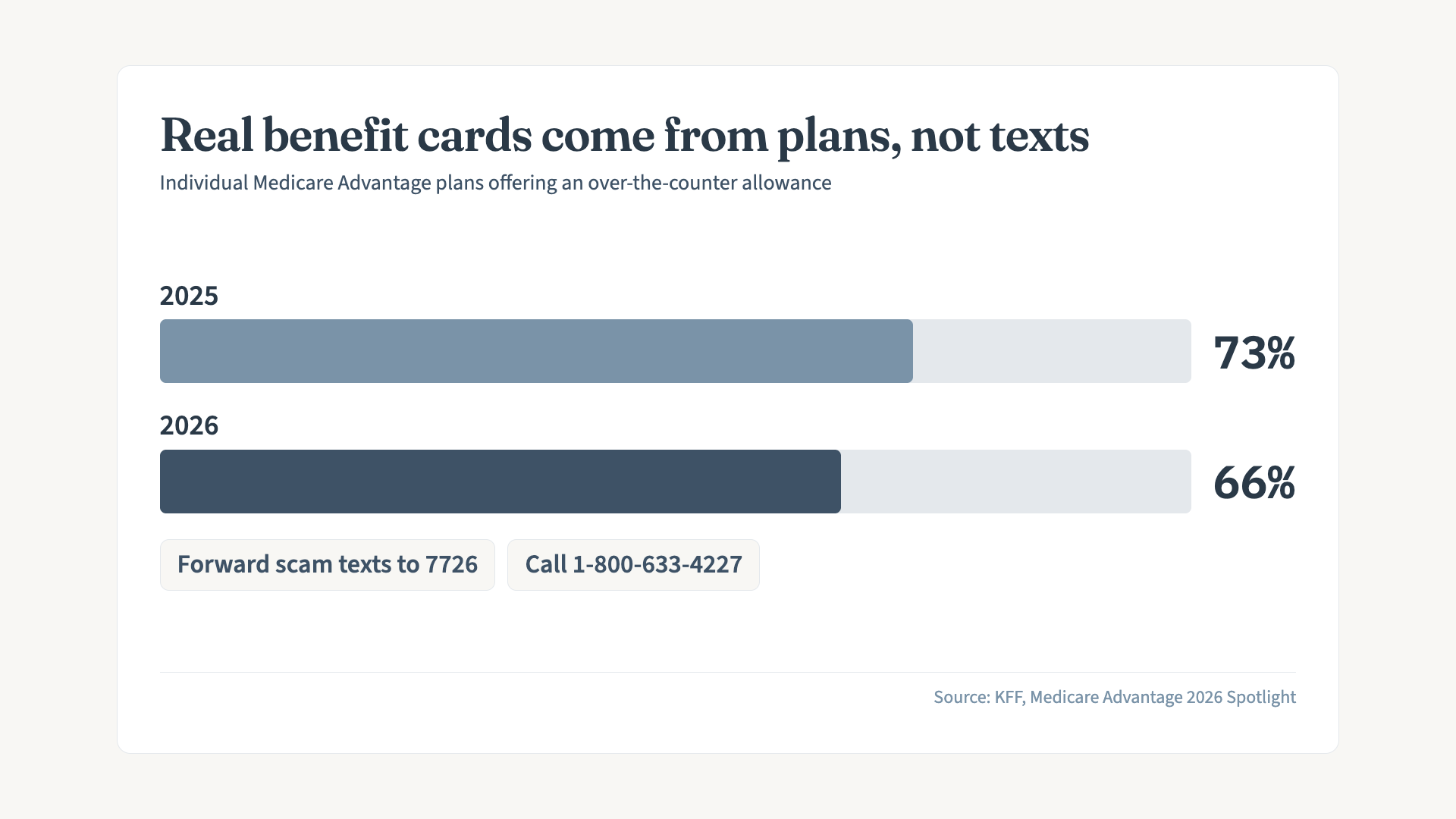
- Texts offering "new" Medicare cards or premium refunds
- Emails warning of coverage problems tied to tax filings
- Robocalls offering free medical equipment or genetic testing
- Messages claiming IRS or Medicare cross-check issues
These messages often use official-sounding language and fake caller IDs to appear legitimate.
Related Medicare Updates
🧠 Why These Scams Still Work
Many beneficiaries assume scams only target people who aren't paying attention. In reality, scammers succeed because they mimic real processes.
Medicare rules are complex. Premiums change. Notices arrive by mail. And deadlines matter.
Scammers rely on that uncertainty — not ignorance.
Any message that pressures you to act immediately or threatens loss of benefits is almost always a scam.
🔐 What Information Scammers Want Most
Medicare scammers are typically after:
- Your Medicare number
- Your Social Security number
- Bank or credit card details
- Personal identity information
Once obtained, this information can be used for fraudulent billing, identity theft, or resale on criminal marketplaces.
🛡️ How to Protect Yourself Right Now
The best protection is simple, consistent behavior:
- Do not respond to unsolicited Medicare calls or texts
- Hang up immediately if asked for personal information
- Never click links in Medicare-related emails or texts
- Review Medicare statements for unfamiliar charges
- Report suspected scams to Medicare or your local SHIP office
If you are unsure about a message, contact Medicare directly using the number on Medicare.gov — not the one in the message.
✅What This Means for You
- Medicare scams increase during tax season every year
- Scammers use urgency, fear, and official language
- Medicare never asks for personal information unsolicited
- Ignoring suspicious messages is the safest response
- When in doubt, contact Medicare directly — not the caller
Explore Further
🌅 Final Thoughts
Medicare scams thrive on uncertainty — and tax season provides plenty of it.
Staying informed doesn't require technical knowledge or constant vigilance. It simply means slowing down and remembering one rule: Medicare does not reach out asking for your information.
If something feels urgent, threatening, or too good to be true, it probably is.