In this article7
- 01Quick Summary
- 02Medicare Part A & Part B: Costs Are Increasing for 2026
- 03Medicare Part D Prescription Drug Coverage: A Mixed Outlook
- 04Medicare Advantage (MA): Fewer Plans, More Scrutiny
- 05Why This Year's Open Enrollment Matters More Than Ever
- 06A Step-by-Step Action Plan for Beneficiaries
- 07What to Watch in 2026
Quick Summary
- Part B premium rises to $202.90/month—nearly a 10% increase from 2025
- Part A hospital deductible jumps to $1,736—impacting anyone with a hospital stay
- Part D premiums may drop slightly, but formularies are changing significantly
- Medicare Advantage plans are consolidating—some plans won't exist in 2026
- Open Enrollment ends December 7—action is required now
Medicare beneficiaries are heading into one of the most consequential enrollment years in recent memory. With sizable increases across Medicare Part A and Part B, shifts in drug-plan dynamics, and changes rippling through Medicare Advantage, the decisions seniors make before the December 7 Open Enrollment deadline will have real financial consequences throughout 2026.
This article breaks down the changes in clear, simple terms and gives you a step-by-step roadmap for making smart Medicare decisions before the window closes.
Medicare Part A & Part B: Costs Are Increasing for 2026
Medicare is adjusting its hospital, outpatient, and beneficiary cost structures for 2026—and the numbers mean many will pay more out of pocket next year.
Part A (Hospital Insurance): Deductibles & Coinsurance Up
Even though most beneficiaries don't pay a monthly premium for Part A, hospitalization and rehab costs are going up:
- Inpatient hospital deductible: increasing from $1,676 (2025) to $1,736 in 2026
- Coinsurance for hospital days beyond the initial 60-day benefit period rises
- Skilled nursing facility daily coinsurance is increasing, meaning rehab stays may cost more
These increases (roughly 3.7% to 3.8%) reflect rising healthcare expenses nationwide and will impact anyone who experiences a hospital stay, surgical recovery, or extended rehabilitation.
Part B (Medical Insurance): A Significant Jump
The cost of outpatient care is increasing sharply:
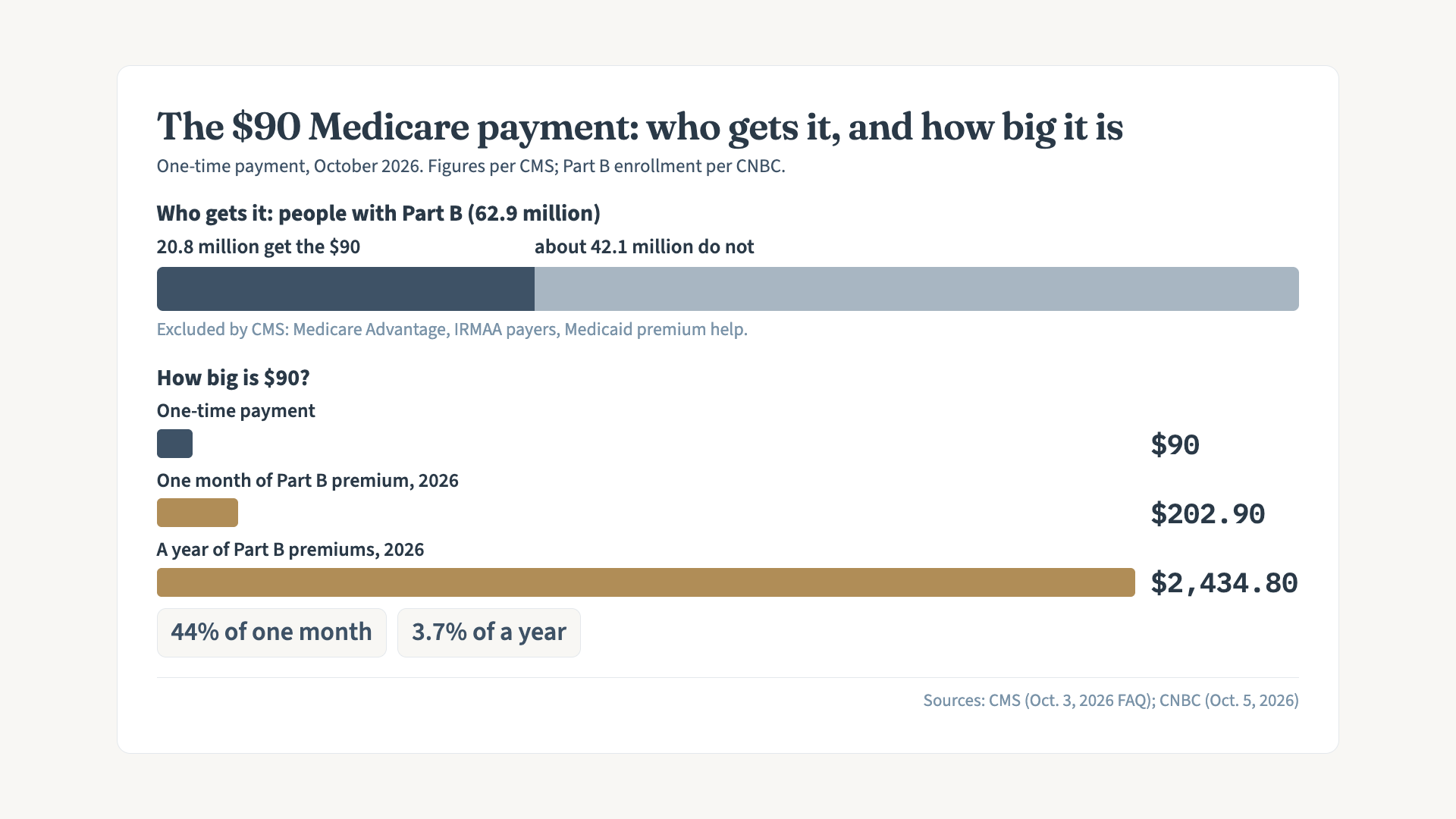
- Standard Part B monthly premium: rising from $185.00 to $202.90
- Part B deductible: rising from $257 to $283
For those living on fixed incomes, this can make a noticeable difference—especially since most beneficiaries have Part B premiums deducted directly from their Social Security checks. Even with next year's cost-of-living adjustment (COLA), many will see smaller-than-expected net increases.
Higher-income beneficiaries should take note: IRMAA surcharges will once again push monthly costs higher for individuals and couples surpassing income thresholds. For some, Part B premiums could exceed $689 per month.
Related Medicare Updates
Medicare Part D Prescription Drug Coverage: A Mixed Outlook
Several trends are unfolding at once in 2026—some positive, some cautionary.
Premiums Show Stability or Slight Decline
Many standalone Part D plans are projected to have slightly lower average premiums in 2026, dropping from roughly $38/month to around $34.50/month.
Impact of Inflation Reduction Act (IRA) Drug Negotiations
For the first time, a small group of widely used, high-cost drugs will have government-negotiated prices through Medicare. This could lower out-of-pocket costs for millions, particularly those with chronic conditions such as diabetes, heart disease, and autoimmune disorders.
But it's important to understand:
- Not all drugs are included
- Savings will vary from person to person
- Some insurers may adjust premiums or formularies in response
Why Reviewing Your 2026 Drug Plan Is So Important
Even with stable premiums, the formulary—the list of drugs your plan covers—may change significantly year to year.
Beneficiaries should:
- Check their exact medication list against 2026 plan formularies
- Review the cost-sharing tiers for their drugs
- Pay attention to prior authorization or step-therapy requirements
For many people, drug plan changes—not premiums—are what drive annual cost differences.
Medicare Advantage (MA): Fewer Plans, More Scrutiny
Medicare Advantage remains extremely popular, but 2026 may be a pivotal year for the program—and not necessarily in a good way.
Some insurers are reducing or eliminating plan offerings, particularly in rural or lower-membership regions. This consolidation means:
- Your current MA plan may not exist in 2026
- Doctor networks may shrink
- Supplemental benefits (dental, vision, hearing) may be trimmed
- Authorization requirements may become more restrictive
Despite these challenges, MA premiums remain attractively low—often $0 beyond the Part B premium—which is a major reason enrollment continues to grow.
Still, beneficiaries should be cautious. Lower premiums do not always mean lower total costs. A plan with narrower networks or tougher prior-authorization rules may lead to higher long-term spending or delayed care.
Before committing to MA for 2026:
- Confirm your doctors remain in-network
- Review any added authorization requirements
- Look closely at out-of-pocket maximums
- Compare MA to Original Medicare + Medigap + Part D
Many seniors switch from MA to Original Medicare during periods of increased medical need because MA networks or rules become too limiting.
Why This Year's Open Enrollment Matters More Than Ever
Open Enrollment ends December 7, and the stakes feel higher than in previous years.
Without reviewing your plan, you could face:
- Higher deductibles and coinsurance under Part A
- Bigger monthly premiums under Part B
- Medication coverage gaps or higher drug costs
- Shrinking access to doctors under Medicare Advantage
- Unexpected out-of-pocket expenses in early 2026
On the other hand, carefully reviewing your options now can:
- Prevent surprise bills
- Protect access to your preferred doctors
- Lower prescription costs
- Provide greater financial predictability in 2026
A Step-by-Step Action Plan for Beneficiaries
Here's what Medicare experts recommend doing before December 7:
1. Read your Annual Notice of Change (ANOC)
This document outlines exactly what is changing for your plan in 2026—premiums, deductibles, formularies, networks, and supplemental benefits.
2. Compare your total 2026 costs
Look beyond premiums. Your deductible, copays, drug-tier changes, and specialist fees matter just as much.
3. Re-evaluate drug coverage
Use the Medicare Plan Finder to plug in your medications and check whether a different plan offers better value.
4. Assess whether a Medigap policy makes sense
With Part B premiums and the Part A deductible increasing, a supplement may offer better predictability—especially for those who anticipate hospital or specialist care.
5. Review Medicare Advantage doctor networks
If you're in MA, verify your doctors will still participate in 2026. Some networks are contracting.
6. Don't wait until December 7
Phone lines jam, websites slow, and unexpected issues pop up during the final 48 hours of enrollment.
What to Watch in 2026
Several areas of uncertainty may impact beneficiaries next year:
- Social Security COLA may not fully offset rising Medicare premiums
- Plan consolidation could reduce competition in some regions
- Part A and Part B deductible increases mean a serious illness could cost more
- Medicare Advantage plan changes may introduce new barriers to care
Monitoring these trends can help you prepare not just for 2026, but for future enrollment periods as well.
✅What This Means for You
Medicare is entering a transition year. Rising costs across the board—paired with a shifting prescription drug environment and evolving Medicare Advantage landscape—mean seniors must be more proactive than ever.
The best thing you can do right now is simple: Review your current plan, compare 2026 options, and make your changes before December 7.
A little preparation today can save you money, protect your health, and give you far more peace of mind in 2026.