In this article5
For years, Medicare Advantage plans have marketed themselves with a powerful message: "More benefits for less money."
Dental, vision, hearing, and even gym memberships became big reasons why millions of seniors chose Medicare Advantage over Original Medicare.
But in 2026, those popular extras are quietly being scaled back — and in some cases removed entirely.
This shift isn't well-publicized. You won't see it in TV ads or plan brochures. But it's happening across the country, and beneficiaries are beginning to feel the impact.
Below, we break down exactly what's changing, why plans are trimming benefits, and what seniors can do to protect their coverage before next year.
Why Are Medicare Advantage Extras Being Cut in 2026?
Medicare Advantage plans are facing significant financial pressure going into 2026. Three major factors explain why plans are being forced to shrink supplemental benefits:
1. Higher medical spending in 2024–2025
Seniors used more inpatient and outpatient services than expected, especially:
- diabetes care
- cardiac care
- orthopedic procedures
- behavioral health visits
Plans are now shifting money away from supplemental benefits to cover rising medical claims.
2. CMS payment updates for 2026
The 2026 Medicare Advantage rate notice included:
- slower reimbursement growth
- updated risk-adjustment formulas
- changes in quality bonus dynamics
In plain language: plans are getting paid less per enrollee compared to their projected costs.
3. The new 2026 Part D out-of-pocket cap
Plans must absorb a portion of the cost for the new $2,000 Part D cap, even for combined Advantage + Part D plans.
That means: Money has to come from somewhere — and supplemental benefits are the easiest target.
What Benefits Are Being Reduced?
Related Medicare Updates
Across plan filings for 2026, the following reductions are being seen most frequently:
1. Dental coverage caps
- Lower annual maximums
- Reduced coverage of implants or major restorative work
- Fewer in-network providers accepting new patients
Many plans are dropping implant coverage entirely.
2. Vision benefits tightening
- Lower allowances for frames
- Reduced frequency for covered eye exams
- Fewer premium lens options
Some plans are eliminating the second-pair glasses allowance.
3. Hearing aid benefits shrinking
- Lower reimbursement caps
- Limited device brand choices
- Higher member cost-sharing
A number of plans are reducing hearing aid coverage from every 3 years to every 5.
💡What This Means for You
Explore Further
4. Wellness perks declining
What used to be common — fitness memberships, nutrition programs, caregiver support — is now being trimmed back or replaced with lower-cost digital alternatives.
5. Fewer transportation and OTC credits
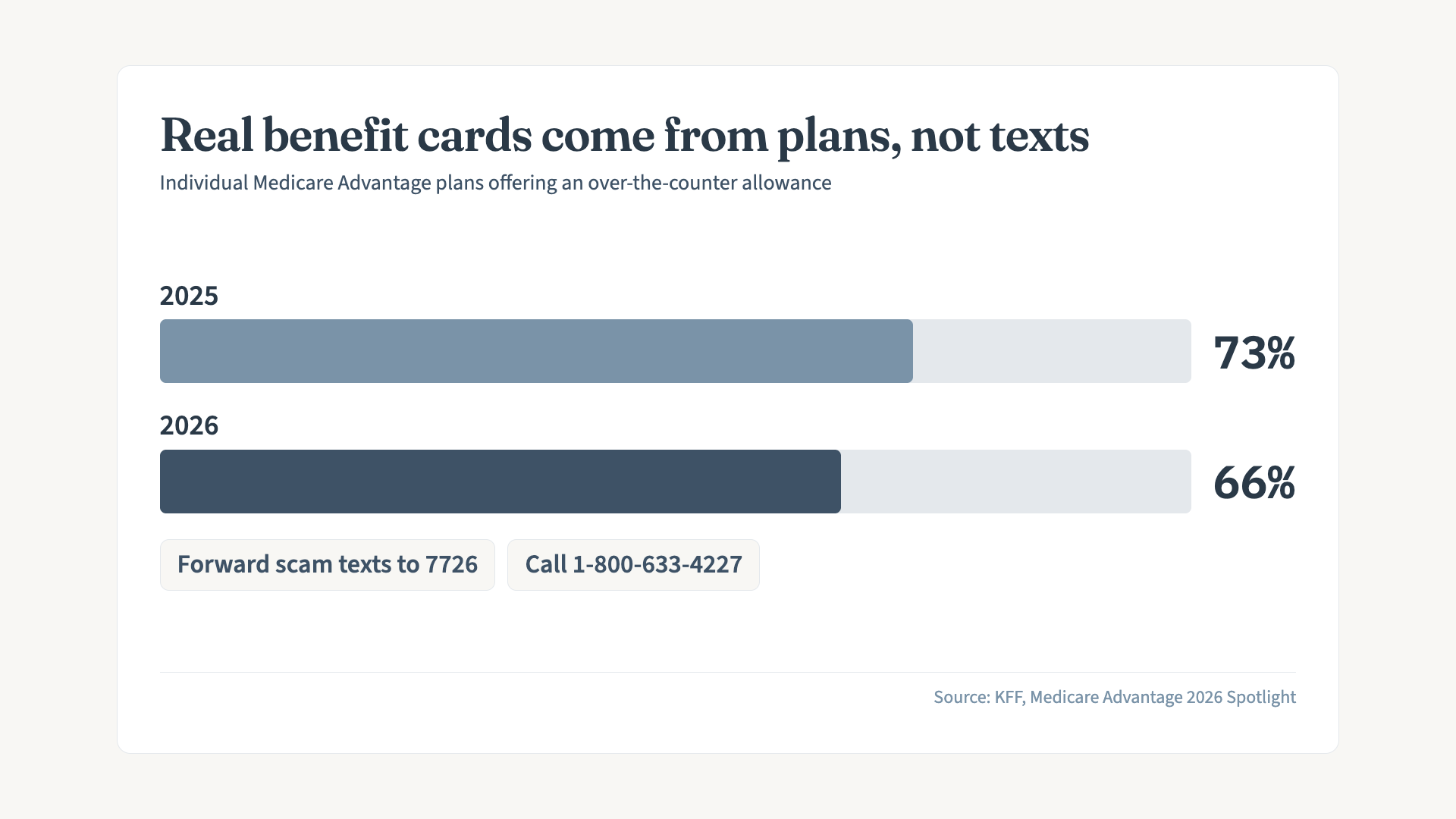
- OTC allowances are dropping from $100+ per quarter to $40–$60
- Transportation trips are being cut from 12+ annually to 4–6
Plans are prioritizing mandatory medical services over "bonus" perks.
What This Means for Seniors in 2026
For many people, these extras were a major reason they joined Medicare Advantage in the first place.
Dental and hearing coverage are the biggest financial losses. Out-of-pocket costs for these services can reach thousands of dollars per year without strong supplemental coverage.
If a senior relies heavily on these extras, 2026 may bring:
- higher out-of-pocket medical costs
- fewer providers to choose from
- longer wait times for appointments
- greater need to compare plans during AEP
- difficulty replacing benefits that used to be standard
What Beneficiaries Should Do NOW
1. Compare your 2025 and 2026 plan documents side-by-side
Do not assume benefits stayed the same. In 2026, many did not.
2. Consider whether Original Medicare + a Medigap plan fits better
Medigap doesn't cover extras like dental, but it offers:
- predictable medical costs
- no networks
- no prior authorization obstacles
If networks are shrinking and extras are shrinking, Medigap becomes more attractive.
Compare Medigap Options:
3. Review stand-alone dental/vision/hearing plans
Some seniors replace lost MA extras with targeted private coverage.
4. Watch for mid-year provider changes
Plans can update networks continually — and they are doing so more often.
What's Next?
Medicare Advantage plans are still adjusting to new cost pressures, and 2026 is shaping up to be the most "scaled-back" year in a decade.
While MA remains a good fit for many seniors, beneficiaries should:
- plan for fewer perks
- be vigilant during AEP
- double-check their providers and extra benefits
- be prepared for higher costs in non-medical supplemental care
Gentle Medicare Guide will continue covering every update as plans finalize their 2026 benefit packages. See the latest Medicare news updates here.